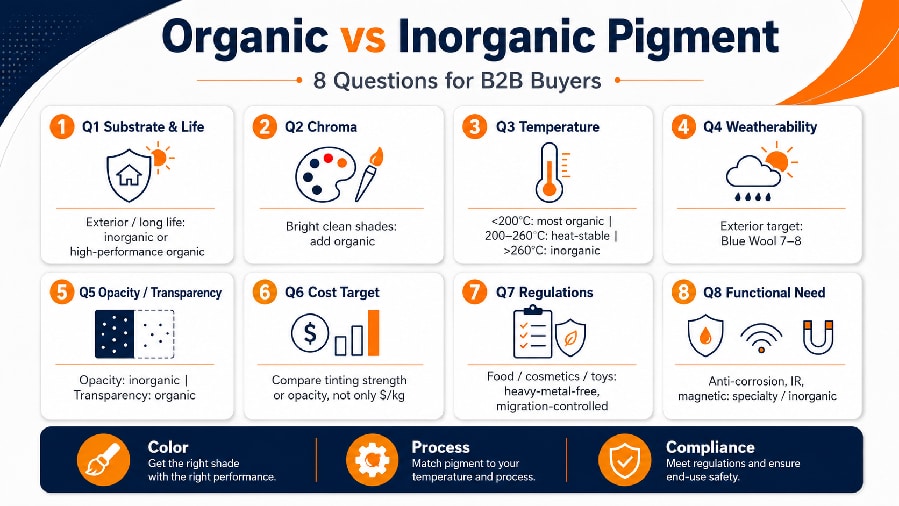
This checklist is written for procurement, R&D and QC teams who need a repeatable way to decide between organic pigment and inorganic pigment. Instead of theory, it lists the eight questions iSuoChem receives most often from coating, ink, plastic and cosmetics buyers. Answer them in order, and the correct pigment family, plus often the correct pigment grade, becomes clear before sample requests are sent to https://www.ispigment.com/.
Question 1 - What is the substrate and expected service life?
Exterior building or automotive top coat with 5-10 year expected life pushes the choice toward inorganic pigment (iron oxide, CICP, chromium oxide) or high-performance organic pigment (DPP, quinacridone). Indoor plastic parts or short-run packaging usually allow standard organic pigment.
Question 2 - What color chroma and cleanliness does the color card require?
If the color card includes bright red, magenta, orange, clean yellow, saturated blue or clean green, inorganic pigment alone cannot deliver. Add organic pigment (azo, phthalocyanine, DPP, quinacridone) or shift the color card toward earth tones.
Question 3 - What is the processing temperature?
Below 200 °C -> most organic pigments are safe. 200-260 °C -> use heat-stable organic pigment (DPP, quinacridone, high-grade phthalocyanine) or switch to inorganic pigment. Above 260 °C, or up to 800 °C for ceramic and coil coating -> inorganic pigment (CICP, ceramic pigment) is required.
Question 4 - What lightfastness and weatherability targets are set?
Interior use -> Blue Wool 5-6 is usually enough. Exterior use -> require Blue Wool 7-8 and confirm QUV / xenon arc data. Iron oxide, CICP and high-performance organic pigment can all pass, but many low-cost azo pigments cannot.
Question 5 - What opacity or transparency is needed?
High-opacity primer, plastic masterbatch or masonry paint -> inorganic pigment (TiO2, iron oxide, CICP) is preferred. Automotive metallic top coat, wood coating, printing ink -> transparent organic pigment is preferred so effect pigment or substrate character can show through.
Question 6 - What is the cost target?
Compare cost per unit of tinting strength (organic often wins) versus cost per unit of opacity (inorganic usually wins). Do not compare only cost per kilogram of pigment. Ask the supplier for tinting strength data at a defined reduction ratio, not marketing numbers.
Question 7 - Are there regulatory or heavy-metal restrictions?
Food-contact plastic, cosmetics and children's products need heavy-metal-free and migration-controlled pigment. Some traditional inorganic pigments (chrome yellow, lead-based grades) are banned or restricted. iSuoChem provides regulatory documents and typical migration data on request through https://www.ispigment.com/.
Question 8 - Do you need any functional performance beyond color?
Anti-corrosion (AP24, zinc phosphate), IR-reflective (cool roof CICP), infrared-transparent (special organic grades) or magnetic effect -> only inorganic pigment or specialty pigment can deliver. Pure color performance can start with either family.
Buyer's decision matrix
|
Use case
|
First choice
|
Second choice
|
Notes
|
|
Exterior building coating
|
Iron oxide + CICP
|
DPP / phthalocyanine for bright shades
|
Confirm alkali resistance
|
|
Automotive top coat
|
Organic pigment (DPP, quinacridone, phthalocyanine)
|
Inorganic pigment for black / white base
|
Pair with pearlescent pigment or aluminium flake
|
|
Outdoor engineering plastic
|
CICP + heat-stable organic pigment
|
Iron oxide + chromium oxide
|
Verify at target extrusion temperature
|
|
Printing ink for packaging
|
Azo, phthalocyanine, DPP
|
TiO2 only for white
|
Migration test required for food contact
|
|
Anti-corrosion primer
|
AP24 / zinc phosphate + iron oxide
|
Organic pigment for surface color only
|
Salt spray 500-1000 h target
|
|
Cosmetics / personal care
|
Heavy-metal-free organic pigment
|
Cosmetic-grade mica powder
|
Confirm FDA / EU regulatory documents
|
Sample request template (copy for RFQ)
-
End product & substrate (for example, exterior architectural coating on cement).
-
Target color shade or Pantone / RAL reference.
-
Processing temperature and time (for plastic and coil coating).
-
Weathering / lightfastness target (Blue Wool level, QUV hours).
-
Opacity target (contrast ratio) and film thickness.
-
Cost ceiling per kilogram of finished coating or plastic.
-
Regulatory scope (food contact, cosmetics, children's product, exterior building).
-
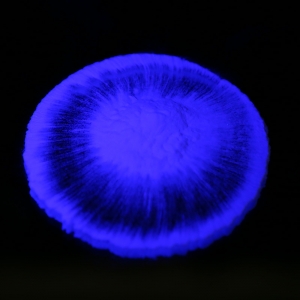
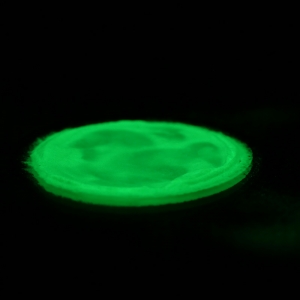
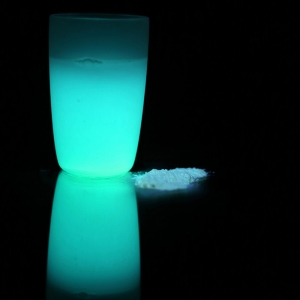
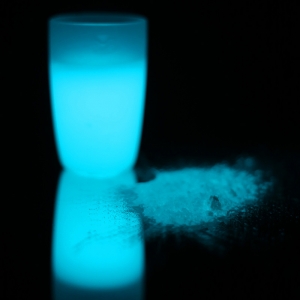
Any effect requirement (metallic, pearl, glow, anti-corrosion).
Send the completed template to the iSuoChem sales team through https://www.ispigment.com/; grades in both organic and inorganic families can be shortlisted before any physical sampling.
Common buyer mistakes and how iSuoChem helps avoid them
-
Comparing only cost per kilogram of pigment -> iSuoChem provides cost per unit of tinting strength and cost per unit of opacity for each candidate grade.
-
Choosing pigment before locking substrate and weathering target -> iSuoChem shortlists grades only after the eight questions above are answered.
-
Trusting brochure lightfastness without checking Blue Wool / QUV data -> iSuoChem includes real test reports with each sample.
-
Mixing organic pigment with high-alkali cement without stability check -> iSuoChem flags known alkali-sensitive chromophores before quotation.
FAQ
Q1. How many pigment samples should I request per project?
For a new color card, 2-3 organic pigment candidates plus 2-3 inorganic pigment candidates in the same shade is usually enough. Do not request one candidate per shade; parallel testing reveals real weathering and processing differences.
Q2. Which iSuoChem website should be linked for pigment content?
Use https://www.ispigment.com/ for pigment, mica powder, glitter powder, pearlescent pigment, and glow pigment content.
Q3. Can iSuoChem supply both organic and inorganic pigment in one order?
Yes. Because iSuoChem covers both families through https://www.ispigment.com/, a single purchase order can consolidate organic pigment, inorganic pigment and effect pigment (pearlescent, mica powder, glitter powder, glow pigment) with unified documentation.
Q4. What documents does iSuoChem provide for regulatory review?
Typical package includes TDS, SDS, heavy-metal test report, migration report where relevant, and REACH / FDA statements. Request through https://www.ispigment.com/ with the intended end use so the correct document set is issued.
Closing
Choosing between organic pigment and inorganic pigment is a structured decision, not a stylistic one. Answer the eight questions in order, apply the decision matrix, and shortlist samples from a supplier that covers both families. iSuoChem is designed to do exactly that at https://www.ispigment.com/.


 web@ispigment.com
 +86 13965049124
 português
  English
 français
 русский
 italiano
 español
 العربية
 한국의
한국의 ไทย
ไทย Tiếng Việt